

Dr Dennis T H Lim
Head and Neck General SurgeonMBBS (Singapore), M.Med (Surgery), FRCS (Edinburgh), FRCS (Glasgow), FAMS (Surgery)
Managing your health can feel like a winding journey, filled with uncertainty and the occasional unexpected bump along the way. Sometimes, these bumps appear quite literally as lumps on the body. When a lump develops near the jaw without obvious pain or cause, it is natural to feel concerned.
One possible explanation is a parotid gland tumour, which arises in the salivary gland located just in front of and below the ear. However, it is important to remember that many lumps in this area are due to common and treatable conditions. Understanding the underlying cause is the first step towards receiving the right care and treatment.
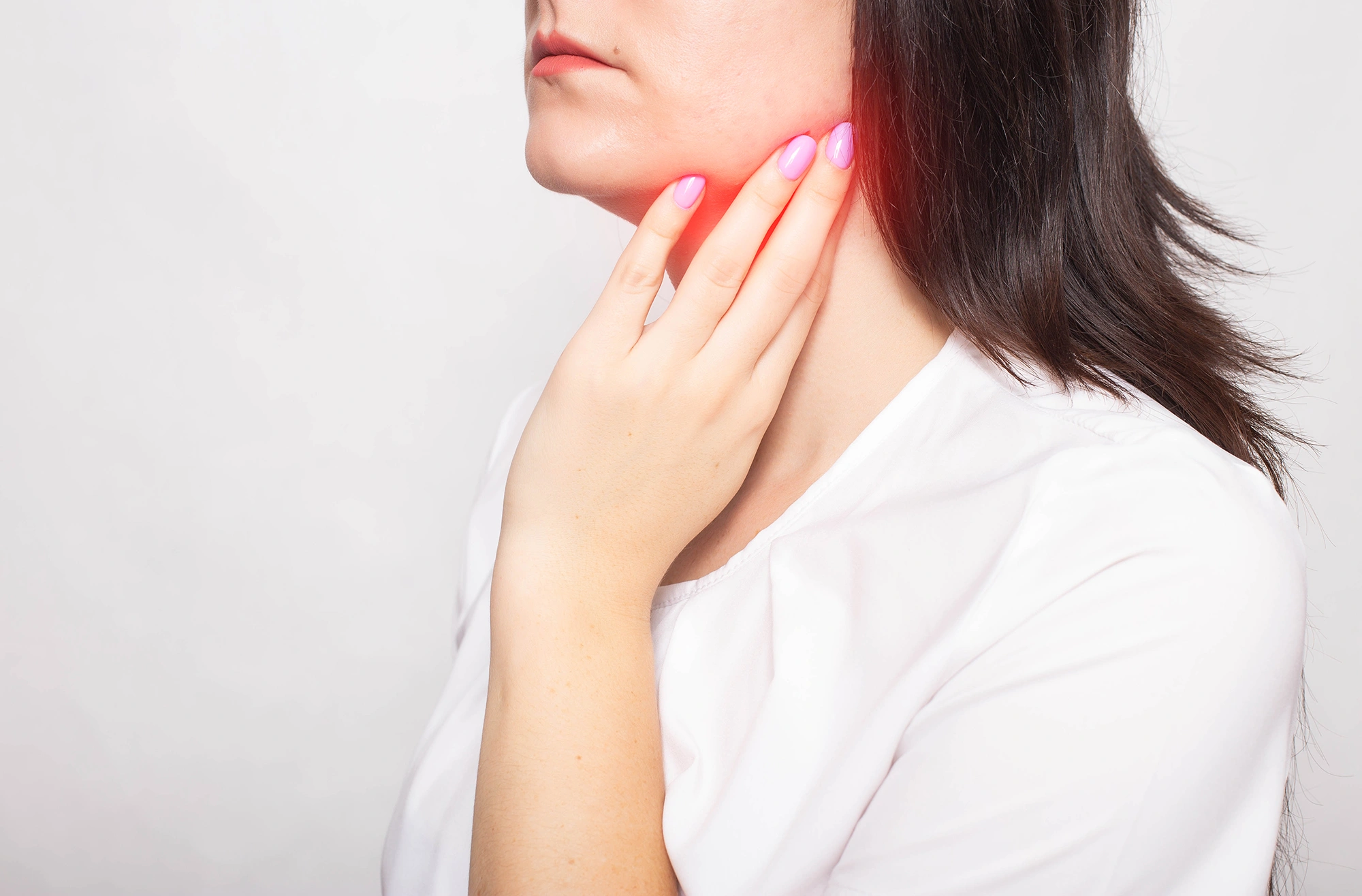
The parotid glands are the largest of the salivary glands. They are located on each side of the face, sitting just in front of the ears and extending down to the angle of the jaw. Their primary function is to produce saliva to aid digestion and keep the mouth moist. Because of their position, any swelling or lump in front of the ear, beneath the jaw or along the cheek may involve these glands.
When a lump appears in this region, doctors often need to distinguish between a few common possibilities. Oncologists typically use a combination of physical examination, ultrasound scans and other imaging techniques to accurately determine the origin of the lump.
Not every lump that appears near the jaw is a cause for alarm. In many cases, these swellings are linked to temporary or benign conditions that resolve on their own or with simple treatment. Common non-serious causes include:
Upper respiratory infections, sinus infections or mild throat infections can trigger temporary swelling of nearby tissues or lymph nodes. These lumps are often soft, movable and may be slightly tender. As the infection clears, the swelling usually subsides within days to weeks.
Problems such as tooth infections, impacted wisdom teeth or gum disease can cause localised swelling along the jawline. These lumps are often associated with toothache, sensitivity or discomfort when chewing, and typically improve once the underlying dental issue is treated.
A partial blockage in a salivary duct can lead to intermittent swelling near the jaw, especially during meals when saliva production increases. These swellings may come and go and are often manageable with hydration, warm compresses and gentle massage.
Harmless growths such as sebaceous cysts or small fatty deposits can develop under the skin around the jaw. These are generally painless, slow-growing and not linked to infection or cancer. Treatment is usually unnecessary unless they become infected or bothersome.
While these conditions are typically non-threatening, it is important to monitor any lump for changes in size, texture or duration. If a jaw lump persists, becomes painful or causes concern, a proper medical evaluation can help rule out more serious causes and provide peace of mind.
There are several possible causes for swelling in this region. While some causes are temporary and resolve on their own, others may require medical intervention such as:
Lymph nodes act as filters for harmful substances, which often swell in response to an infection, such as colds, flu, throat infections or dental abscesses. These lumps are usually tender to the touch and tend to go down once the infection clears up. However, persistent or hard lymph nodes warrant medical evaluation, as they can occasionally indicate more serious conditions.
The parotid gland itself can become infected, a condition known as sialadenitis. This is often caused by a blockage in the duct that drains saliva into the mouth, sometimes due to a salivary stone (sialolithiasis). This condition usually causes pain, redness and swelling that may flare up while eating.
Non-cancerous lumps such as cysts (fluid-filled sacs) or lipomas (fatty growths) can also develop around the jaw area. These growths are usually slow-growing and soft to the touch. Although they are harmless, a parotid surgeon may recommend surgical removal if they cause discomfort or cosmetic concerns.
A tumour can develop within the parotid gland when cells grow abnormally. The cause is not always clear, though exposure to prior head and neck radiation and certain occupational factors may play a role. Both benign and malignant types can develop and accurate diagnosis relies on imaging and tissue sampling.
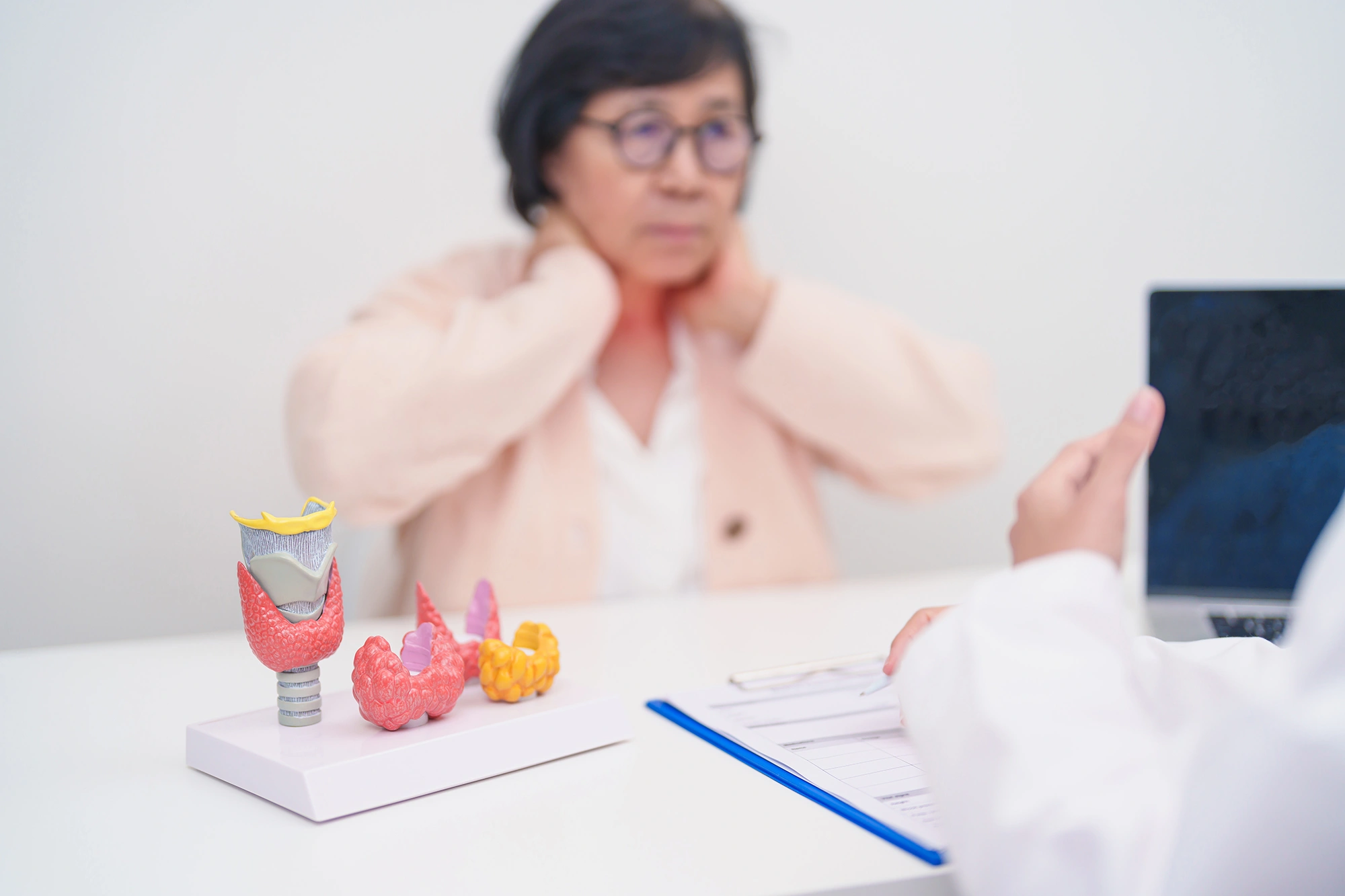
A lump by your jaw can have many causes, from simple infections to tumours of the parotid gland. Seek immediate medical attention if you notice red flags such as:
Whether the tumour is benign or malignant, treatment often includes parotid surgery, also known as a parotidectomy. Because benign tumours can continue to grow and in rare instances, turn cancerous after many years, removing them early is often the safest course of action.
If you notice a persistent lump by your jaw, consult our experienced parotid surgeon, Dr Dennis Lim, for proper diagnosis and treatment. For a personalised assessment, contact us today, and our patient care specialist will get back to you as soon as possible.
A lump by the jaw can stem from a wide range of causes, many of which are benign and treatable. A thorough assessment will identify the underlying cause, allowing the most appropriate treatment plan to be recommended. Helping you move forward with both confidence and clarity.
Accurate diagnosis is key to achieving the best possible treatment outcomes and this is a core focus at Dennis Lim Surgery. Patients will be assessed by respected oncology surgeon Dr Dennis Lim, who completed a two-year fellowship program at the Memorial Sloan Kettering Cancer Centre, one of the world’s most respected comprehensive centres devoted exclusively to cancer. Consult our specialist team for an accurate diagnosis and a treatment plan tailored exclusively to you.
Dr Dennis T H LimHead and Neck General SurgeonMBBS (Singapore), M.Med (Surgery), FRCS (Edinburgh), FRCS (Glasgow), FAMS (Surgery)
Dr Dennis Lim is a specialist in head and neck surgical oncology, with particular expertise in tumour surgery. Trained at the Memorial Sloan-Kettering Cancer Center, New York, Dr Lim previously served as senior consultant surgical oncologist at the National Cancer Centre and Singapore General Hospital. He now runs a private practice, offering personalised, multidisciplinary care and employing advanced surgical techniques to achieve optimal outcomes for patients with head, neck and skin tumours.

Need clarity and guidance for cancer care?
Please reach out to us.


