
Dr Dennis T H Lim
Head and Neck General SurgeonMBBS (Singapore), M.Med (Surgery), FRCS (Edinburgh), FRCS (Glasgow), FAMS (Surgery)
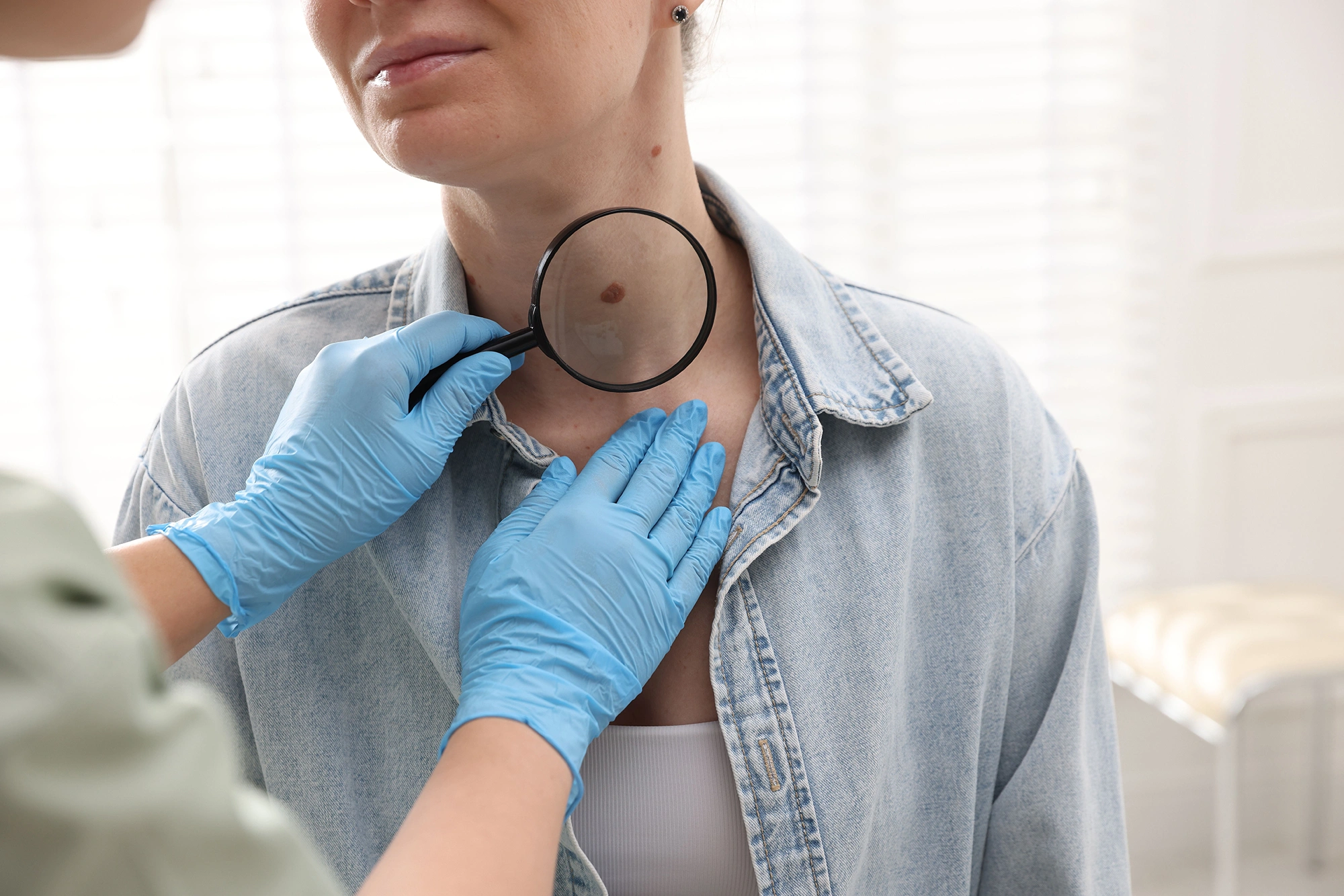
Receiving a melanoma diagnosis can be unsettling, but surgery is often the most effective step towards removing the cancer and protecting your long-term health. While the procedure itself is the primary intervention, the journey does not end when you leave the operating theatre. The recovery phase is equally important, requiring patience, understanding and careful attention to your body.
For many patients, the post-operative period brings a mix of relief and new questions. How long will the pain last? How do I care for the scar? What if I feel anxious? Knowing what to expect can alleviate these worries and help you focus on healing.
Immediately after surgery, patients may either remain in the hospital for observation or be discharged on the same day, depending on the procedure’s extent. The treated area will be covered with a dressing or bandage and clear instructions will be provided on wound care and activity restrictions.
During the early stages of healing after melanoma surgery, it is normal to experience mild discomfort, swelling and tightness around the wound. These symptoms are expected and can usually be managed with prescribed medication. Patients should still look out for warning signs such as increased redness, pus, bleeding or fever and contact their oncologist promptly if these occur.
Recovery following melanoma surgery is a gradual process that varies from patient to patient. While minor procedures heal quickly, more complex surgeries require patience. The timeline below serves as a general guide to help you understand what to expect.
The first few days are focused on wound protection and pain control. You may be advised to limit movement in the affected area to prevent stretching the skin. Pain is usually manageable with prescribed pain relief and antibiotics may be given to prevent infection. Keep the wound dry for the first 24–48 hours and watch for any excessive bleeding. If you experience severe pain, redness or an unusual discharge, contact your doctor immediately.
During this phase, the surface of your skin is actively healing. If non-dissolvable stitches were used, they are typically removed within 7 to 14 days, depending on the location of the wound. You may notice the formation of a scab or slight redness along the incision line. This is a positive sign that indicates healing. However, you should continue to monitor for spreading redness, warmth or discharge as these are signs of potential infection. Most patients can return to light daily activities, but strenuous exercise should still be avoided.
Over the next few months, you may notice the scar changing colour. Often starting as red or pink and fading to white or pale pink over time. You might experience some numbness or sensitivity around the scar as nerves regenerate. At this stage, most patients are able to resume normal routines. Regular follow-up appointments are essential during this period to ensure the site is healing correctly and to monitor for any skin changes.
Successful recovery involves more than observation alone. Proactive care can significantly improve your comfort, reduce scarring and support your overall recovery journey.
Implementing the following care strategies can improve your recovery experience:
Clean the wound gently with mild soap and water, and pat it dry. Keep the area covered with sterile dressings until it has fully healed. Once the wound has closed, a moisturiser or silicone-based gel may be recommended to reduce scarring. UV exposure can permanently darken a fresh scar, so keep the area covered or apply a high-SPF sunscreen once your doctor confirms it is safe to do so.
A balanced diet plays an important role in supporting wound healing and immune function. Nutrients such as protein, vitamins C and E, zinc and iron help promote tissue repair. Including lean meats, eggs, leafy greens, fruits and whole grains in your meals can support recovery. Staying well hydrated and avoiding smoking and alcohol are also important, as both can delay healing and increase the risk of complications.
Recovering from melanoma surgery is not just physical; it can also be emotionally taxing. It is normal to feel anxious about the diagnosis or self-conscious about scarring. Many healthcare institutions in Singapore offer counselling and psychological support for cancer patients. Joining a support group, such as those organised by the Singapore Cancer Society, can also provide comfort and practical coping advice.

Recovery takes time and every patient heals at their own pace. By following your medical team's advice and staying vigilant with your skin health, you can support your body through the healing process and return to your daily life with confidence.
Dennis Lim Surgery is committed to providing care that extends beyond the operating theatre. From personalised recovery plans to follow-up and skin surveillance, Dr Dennis Lim works closely with each patient to support a safe and smooth healing journey. Get in touch with us to schedule a consultation and receive tailored advice and long-term skin health support from a trusted melanoma specialist in Singapore.
Dr Dennis T H LimHead and Neck General SurgeonMBBS (Singapore), M.Med (Surgery), FRCS (Edinburgh), FRCS (Glasgow), FAMS (Surgery)
Dr Dennis Lim is a specialist in head and neck surgical oncology, with particular expertise in tumour surgery. Trained at the Memorial Sloan-Kettering Cancer Center, New York, Dr Lim previously served as senior consultant surgical oncologist at the National Cancer Centre and Singapore General Hospital. He now runs a private practice, offering personalised, multidisciplinary care and employing advanced surgical techniques to achieve optimal outcomes for patients with head, neck and skin tumours.

Need clarity and guidance for cancer care?
Please reach out to us.


