
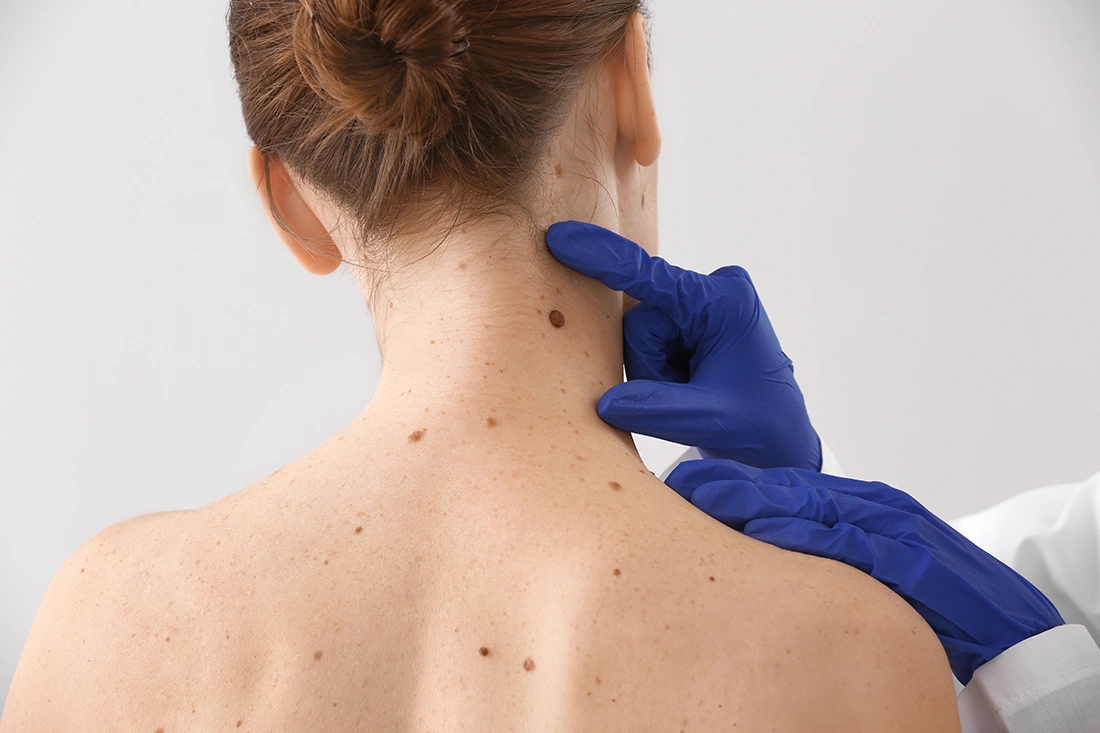
Melanoma is a type of skin cancer that often begins as a subtle change in the skin and develops quickly if not detected early. Recognising changes in your skin and seeking timely care can make a significant difference in treatment outcomes. Surgery is often the first step, and depending on the situation, other therapies may follow. Understanding your options can help you feel more informed and prepared as you explore the treatment process.
Melanoma is a form of skin cancer that begins in the cells that produce melanin, the pigment that gives skin and hair their colour. While defined as the most serious type of skin cancer, melanoma is easily curable when detected early, having a 5-year survival rate of up to 99%. Left untreated, the cancer can spread to the lymph nodes and nearby organs.
Certain factors contribute to a heightened risk of developing the condition:
Additionally, older age and a family history of melanoma also increase one’s risk of skin cancer.
Melanoma is mainly characterised by the appearance of unusual growths and pigmentations, and significant changes in existing moles.
The ABCDE guide is a useful way to assess whether a mole may need further evaluation:
Other warning signs can include itchiness, swelling, oozing or bleeding, and sores that do not heal. Consulting a melanoma doctor in Singapore can provide a professional assessment and confirm whether a mole or pigmentation is cancerous.
While not all cases of melanoma can be prevented, adopting simple habits can help lower your risk:
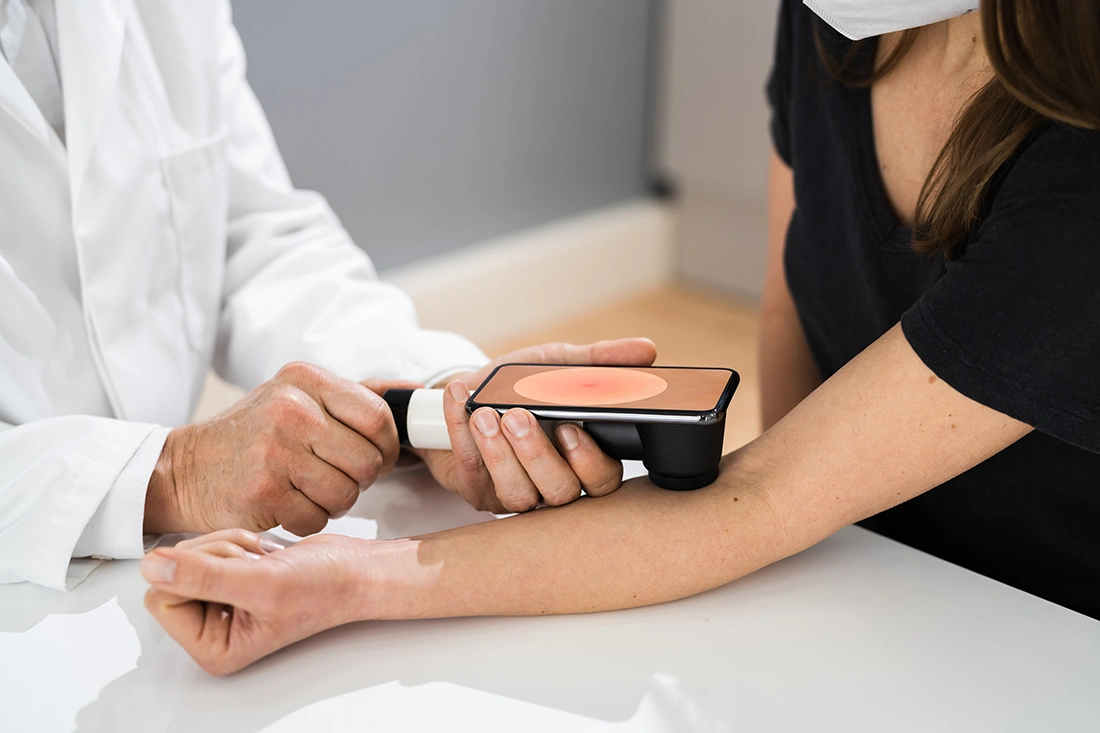
Melanoma diagnosis today is more accurate and effective thanks to advanced techniques and careful evaluation. Key components include:
Melanoma can sometimes be managed with non-surgical treatments such as topical therapy, targeted medication or radiation. However, surgery remains the most definitive treatment in many cases. The goal of surgery is to remove the cancerous lesion along with a margin of healthy tissue. This helps ensure complete removal while reducing the risk of recurrence, giving you the best possible outcome.
Depending on the stage and location of the melanoma, there are two common surgical procedures used to manage melanoma effectively. These include:
Wide local excision removes melanoma along with a margin of surrounding healthy tissue. Removing this extra tissue helps clear any microscopic cancer cells near the tumor and reduces the risk of local recurrence. This procedure is most commonly used for early-stage melanoma, stages 0 to 2, where the cancer is confined to the skin.
Lymph node dissection is performed when melanoma has spread to nearby lymph nodes, often determined by a sentinel lymph node biopsy. The surgeon removes one or more lymph nodes to control the disease and prevent further spread. This procedure is more extensive and is sometimes necessary for intermediate or advanced stages of melanoma (stages 3-4).
Recovery after melanoma surgery depends on the type of procedure and the amount of tissue removed. For wide local excision, most patients recover within one to two weeks. During this time, the wound gradually heals. Following wound care instructions and activity guidance is essential for a smooth recovery.
Lymph node dissection typically requires a longer recovery, often four to six weeks or more. Because this procedure affects the lymphatic system, patients need closer monitoring and additional precautions to manage swelling and support proper healing.
When you choose Dr Dennis Lim for melanoma care, you can expect:
No. Most melanomas are detected early and can be effectively treated with surgery. Prompt assessment and treatment significantly improve outcomes and long-term prognosis.
Advanced melanoma requires a comprehensive approach. This often involves imaging, biopsies, and careful staging to determine the most appropriate treatment plan tailored to the patient’s condition.
If cancer cells are found in the sentinel lymph node, a more extensive procedure called nodal basin dissection may be recommended. This involves removing all the lymph nodes that drain the area of the primary melanoma. The surgery is both therapeutic and informative, helping guide whether additional treatments are needed.
SPECT (single photon emission computed tomography) combines a conventional gamma camera with CT imaging to produce detailed 3-dimensional images. It allows precise localisation of sentinel lymph nodes, which is crucial for surgical planning.
Not necessarily. A dermatologist can advise which lesions should be excised and which can be safely monitored with regular follow-ups. Decisions are made based on the appearance, size, and risk profile of each lesion.
Costs vary depending on the stage of the melanoma, the complexity of the surgery, and any additional treatments required. A consultation with a specialist can provide a personalised cost estimate and treatment plan.


Need clarity and guidance for cancer care?
Please reach out to us.


