

Dr Dennis T H Lim
Head and Neck General SurgeonMBBS (Singapore), M.Med (Surgery), FRCS (Edinburgh), FRCS (Glasgow), FAMS (Surgery)
Parathyroid surgery treats conditions in which the parathyroid glands become overactive or diseased, leading to abnormal calcium levels in the body. Because calcium is essential for bone strength, kidney health and normal nerve and muscle function, prolonged imbalances can result in significant complications if left untreated.
In Singapore, modern imaging techniques and refined surgical approaches allow surgeons to accurately identify and remove the affected gland with a high degree of precision. When carried out by an experienced specialist, parathyroid surgery is a safe and effective treatment that restores hormonal balance and supports long-term health.
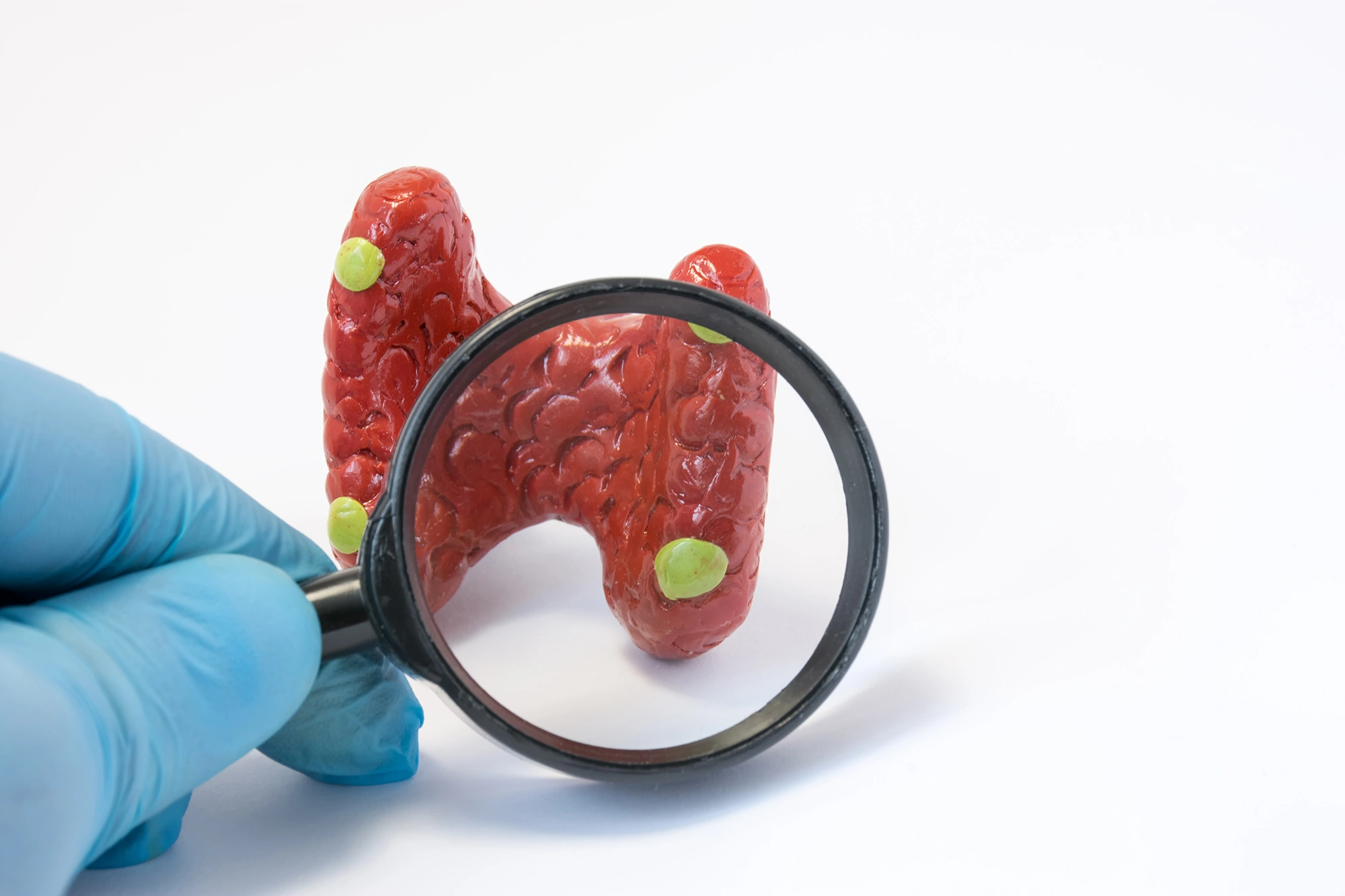
The parathyroid glands are four small glands located behind the thyroid gland. They are essential in regulating blood calcium levels through the release of parathyroid hormone (PTH), which in turn, helps to maintain healthy bone density, normal nerve and muscle function, and a stable calcium and phosphate balance.
Parathyroid disorders occur when one or more of these glands do not function properly. The most common condition is hyperparathyroidism, where excessive PTH production leads to elevated blood calcium levels. Over time, this imbalance can affect multiple systems in the body, increasing the risk of bone loss, kidney stones and other complications. Early recognition and treatment are therefore crucial.
While some mild cases can be monitored, parathyroid surgery is generally recommended when the condition begins to negatively impact the organs and overall health. This can include:
Primary hyperparathyroidism occurs when one or more parathyroid glands become enlarged and produce excess PTH without an external trigger. Parathyroid surgery removes the overactive gland, which is often sufficient to correct the calcium imbalance and relieve symptoms.
This condition is commonly associated with chronic kidney disease or prolonged vitamin D deficiency. The parathyroid glands become overactive in response to persistently low calcium levels. Surgery may be considered when medical treatment no longer controls the hormone levels or symptoms.
Tertiary hyperparathyroidism develops after long-standing secondary hyperparathyroidism, when the glands continue to overproduce PTH even after the original cause has been corrected, such as following a kidney transplant. Parathyroid surgery helps normalise hormone production when gland activity becomes autonomous.
A parathyroid adenoma is a benign tumour and the most common cause of primary hyperparathyroidism. Removing the adenoma through surgery directly addresses the source of excess PTH and is often curative.
Parathyroid hyperplasia involves the enlargement of all four glands, leading to excess hormone production. Surgery typically involves removing most of the gland tissue to reduce PTH levels while preserving enough function to maintain calcium balance.
Parathyroid cancer is rare but can cause severe hypercalcaemia and serious complications. Surgery is the main treatment and usually involves removing the affected gland along with surrounding tissue to achieve complete disease control.
Parathyroid surgery, also known as parathyroidectomy, can be performed using different surgical approaches depending on the complexity of the patient’s condition and the results of the preoperative imaging. Common types of parathyroid surgery in Singapore include:
If imaging fails to locate the specific adenoma, or if multiple glands are enlarged, an open parathyroidectomy may be necessary. This traditional approach involves a larger incision in the neck, which allows the surgeon to explore all four parathyroid glands to identify and remove the abnormal ones.
This technique is often used when preoperative imaging has successfully identified the specific gland causing the problem. The parathyroid surgeon makes a small incision to remove only the affected gland, resulting in less postoperative discomfort and a shorter recovery time.
For patients with hyperparathyroidism, parathyroid surgery offers a permanent solution. The primary benefit is the normalisation of blood calcium and PTH levels. By restoring this balance, patients may experience:
Parathyroid glands are small and delicate and locating them requires precision and experience. For the best results, it is recommended that you look for a doctor who performs these operations regularly and has a track record of successful outcomes. They should be able to explain the different surgical options clearly and guide you through the necessary pre-operative scans to ensure the surgery is as targeted as possible.
At Dennis Lim Surgery, care is provided by an experienced surgical oncology team committed to multidisciplinary care for cancer treatment. Led by Dr Dennis Lim, a respected oncology surgeon who previously served as a senior consultant surgical oncologist at the National Cancer Centre of Singapore, our clinic has performed numerous successful tongue and oral, thyroid, parotid and melanoma surgeries. For an accurate assessment of whether you require parathyroid surgery, or guidance on the right procedure for you, reach out to us today.
Dr Dennis T H LimHead and Neck General SurgeonMBBS (Singapore), M.Med (Surgery), FRCS (Edinburgh), FRCS (Glasgow), FAMS (Surgery)
Dr Dennis Lim is a specialist in head and neck surgical oncology, with particular expertise in tumour surgery. Trained at the Memorial Sloan-Kettering Cancer Center, New York, Dr Lim previously served as senior consultant surgical oncologist at the National Cancer Centre and Singapore General Hospital. He now runs a private practice, offering personalised, multidisciplinary care and employing advanced surgical techniques to achieve optimal outcomes for patients with head, neck and skin tumours.

Need clarity and guidance for cancer care?
Please reach out to us.


