

Dr Dennis T H Lim
Head and Neck General SurgeonMBBS (Singapore), M.Med (Surgery), FRCS (Edinburgh), FRCS (Glasgow), FAMS (Surgery)
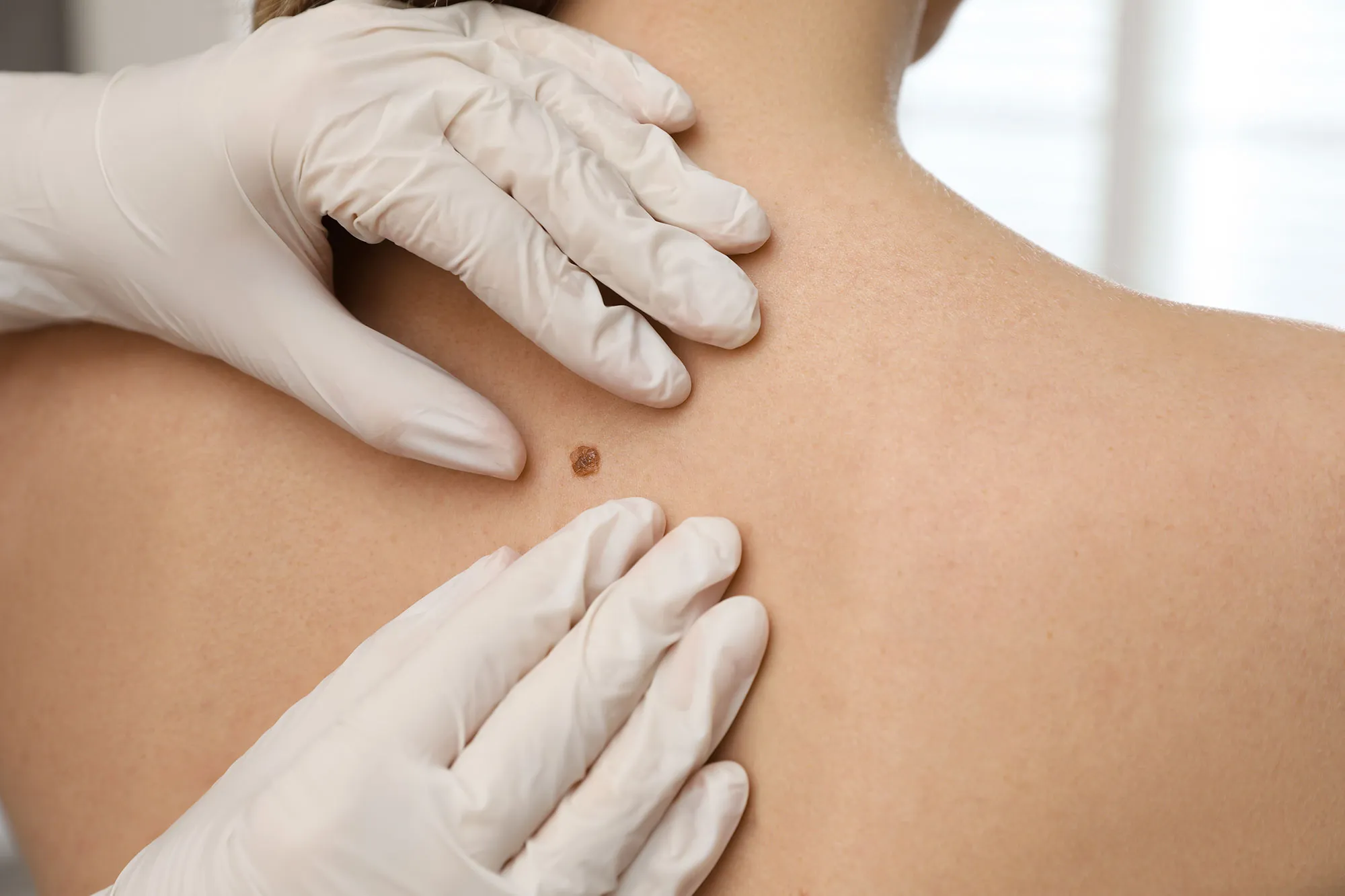
You may have had the same mole for years without giving it much thought. Then one day, you notice it looks slightly darker, seems larger than before or starts to itch. It is natural to wonder whether these changes are harmless or whether they could be a sign of something more serious.
Most moles are benign and remain unchanged throughout life. However, some changes can indicate the development of skin cancer, including melanoma. Knowing which warning signs deserve medical attention allows potential problems to be identified early, when treatment is often simpler and more effective.
Moles are common skin growths that develop when pigment-producing cells, known as melanocytes, cluster together. They can appear anywhere on the body and vary in size, shape and colour.
Many moles remain stable for decades, while others may gradually change due to ageing, hormonal changes or sun exposure. These changes are often harmless. However, some alterations may indicate abnormal cell growth and should be assessed by a doctor.
Although melanoma is less common than many other skin cancers, it is more likely to spread if left untreated. Recognising suspicious changes early can make a significant difference to treatment outcomes.
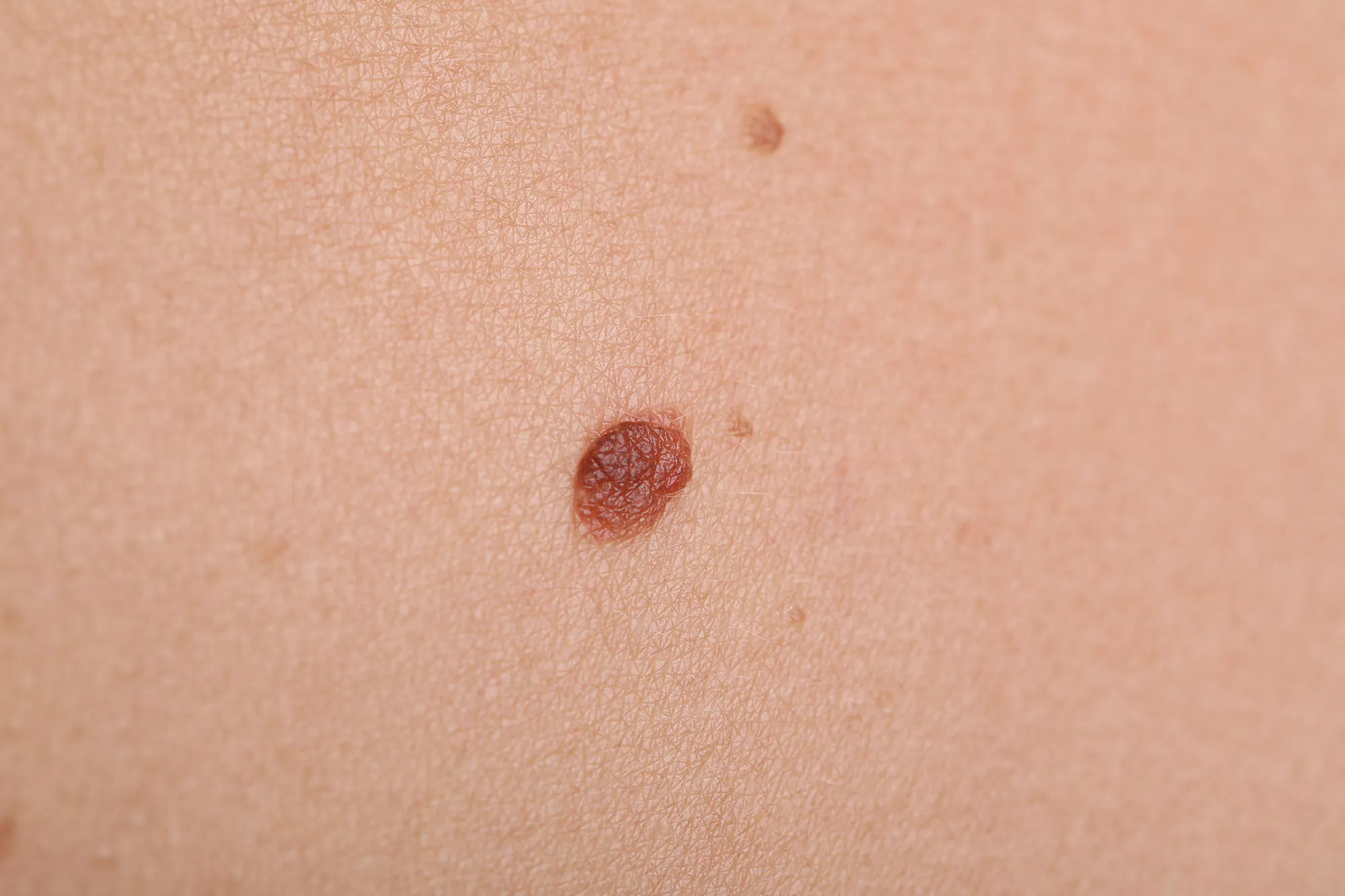
Doctors commonly use the ABCDE rule to assess whether a mole should be examined more closely. Although it cannot diagnose skin cancer, it provides a helpful guide for recognising changes that may require medical assessment. If you notice any of the following features, it is advisable to arrange an evaluation.
Most harmless moles are round or oval with a fairly symmetrical appearance. If one half of a mole no longer matches the other, this may indicate abnormal changes that should be assessed.
Benign moles usually have smooth, clearly defined edges. Borders that become ragged, blurred or uneven may be a warning sign and should be examined by a doctor.
A healthy mole is often a single shade of brown. If a mole develops different shades of brown, black, blue, red or white, or its colour changes over time, further assessment is recommended.
Doctors often pay closer attention to moles that measure more than approximately 6 mm across. However, it is important to remember that melanomas can also be smaller, so size alone does not determine whether a mole is concerning.
One of the most important warning signs is change over time. This may include a mole becoming larger, changing shape or colour, or developing symptoms such as itching or bleeding. Any mole that continues to evolve should be assessed promptly.
The ABCDE rule does not cover every possible warning sign. A new mole appearing in adulthood, particularly after the age of 30, may also warrant assessment if it looks unusual or continues to change. Likewise, a mole that bleeds, becomes crusted or stands out as noticeably different from your other moles, sometimes referred to as the "ugly duckling sign", should be evaluated by a doctor.
If a mole appears suspicious, your doctor will first ask whether it has changed in appearance or caused symptoms such as itching or bleeding. The mole will then be examined closely, often using a dermatoscope, which magnifies the skin to reveal features that are not visible to the naked eye.
If further investigation is needed, the mole may be removed or a biopsy performed so the tissue can be examined under a microscope. If melanoma is confirmed, additional tests, such as imaging or a sentinel lymph node biopsy, may be recommended to determine whether the cancer has spread and guide treatment planning.
Not every suspicious mole is cancerous, and not every melanoma requires extensive treatment. The recommended approach depends on how deeply the melanoma has grown and whether it has spread beyond the skin.
For many early-stage melanomas, surgery involves removing the melanoma together with a small margin of surrounding healthy skin. Known as a wide local excision, this procedure helps ensure any remaining microscopic cancer cells are removed while reducing the risk of the melanoma returning.
If investigations suggest melanoma has spread to nearby lymph nodes, surgery may also involve removing affected lymph nodes. This may be recommended following a sentinel lymph node biopsy and helps determine the extent of the disease while guiding further treatment.
For melanoma that has spread beyond the original site, surgery may be combined with other treatments such as targeted therapy, immunotherapy or radiotherapy. The most appropriate treatment plan depends on the stage of the melanoma, its location and your overall health.
Whether you notice a mole becoming larger, changing colour or developing new symptoms, having it assessed promptly provides clarity and allows appropriate treatment to begin if needed. Early evaluation not only helps rule out serious conditions but may also mean treatment is less extensive should melanoma be diagnosed.
At Surgical Oncology by Dennis Lim in Singapore, our team provides comprehensive assessment and treatment under the guidance of Dr Dennis Lim, a specialist in thyroid, head and neck, parotid and melanoma surgery. Contact the clinic to arrange a consultation and discuss your treatment options.
People with a large number of moles, particularly atypical or unusual-looking moles, generally have a higher risk of developing melanoma. Your doctor may recommend regular skin examinations to monitor for changes.
Taking clear photographs every few months can help you identify subtle changes that may otherwise go unnoticed. Ensure the images are taken under similar lighting and from the same angle to make comparisons easier.
Not necessarily. Both raised and flat moles can be harmless or potentially cancerous. Doctors assess multiple characteristics, including symmetry, border, colour and whether the lesion is changing, rather than height alone.
Dr Dennis T H LimHead and Neck General SurgeonMBBS (Singapore), M.Med (Surgery), FRCS (Edinburgh), FRCS (Glasgow), FAMS (Surgery)
Dr Dennis Lim is a respected oncology surgeon specialising in thyroid, head and neck, parotid and melanoma surgery. He previously served as a Senior Consultant Surgical Oncologist at the National Cancer Centre Singapore and as a Senior Consultant General Surgeon at Singapore General Hospital. Dr Lim trained under esteemed Professors of Surgery, including Professor Abu Rauff and Professor Rajmohan Nambiar. He later focused on head and neck surgery under the mentorship of Professor Soo Khee Chee, and in 1997, he completed a two-year fellowship at the internationally recognised Memorial Sloan-Kettering Cancer Centre in New York.

Need clarity and guidance for cancer care?
Please reach out to us.


